In today’s fast-paced digital era, businesses are constantly looking for ways to become more agile, scalable, and cost-efficient. Cloud computing has emerged as one of the most powerful technologies enabling this transformation. From startups to large enterprises, organizations are rapidly adopting cloud solutions to stay competitive and innovative.
What is Cloud Computing?
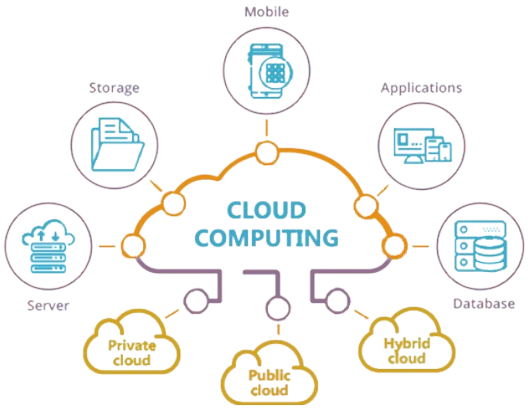
Cloud computing refers to the delivery of computing services—such as servers, storage, databases, networking, and software—over the internet instead of using local servers or personal computers. This allows organizations to access resources on demand, pay only for what they use, and scale effortlessly as their needs grow.
Why Cloud Computing Matters
One of the biggest advantages of cloud computing is scalability. Businesses no longer need to invest heavily in physical infrastructure. Resources can be increased or decreased within minutes based on demand. This flexibility is especially valuable for startups and growing businesses.
Another key benefit is cost efficiency. Cloud services eliminate upfront hardware costs and reduce ongoing maintenance expenses. Organizations can focus more on innovation rather than infrastructure management.
Cloud computing also enhances collaboration and accessibility. Employees can securely access applications and data from anywhere, enabling remote work and improving productivity. This has become increasingly important in today’s hybrid and remote working environments.
Security and Reliability
Many people assume that cloud platforms are less secure, but in reality, major cloud providers invest heavily in advanced security measures, compliance standards, and data protection technologies. Cloud services also offer high availability and disaster recovery options, ensuring business continuity even during unexpected failures.
Cloud and the Future of Business
Cloud computing is not just a technology trend—it is a foundation for modern innovation. Emerging technologies such as Artificial Intelligence (AI), Machine Learning (ML), DevOps, and Big Data analytics heavily rely on cloud infrastructure. Organizations that embrace the cloud are better positioned to innovate faster and respond to market changes efficiently.
Conclusion
Cloud computing has transformed the way businesses operate, making technology more accessible, scalable, and cost-effective. As digital transformation continues to accelerate, cloud adoption will remain a critical factor for business success. For professionals and organizations alike, understanding and leveraging cloud technology is no longer optional—it is essential.